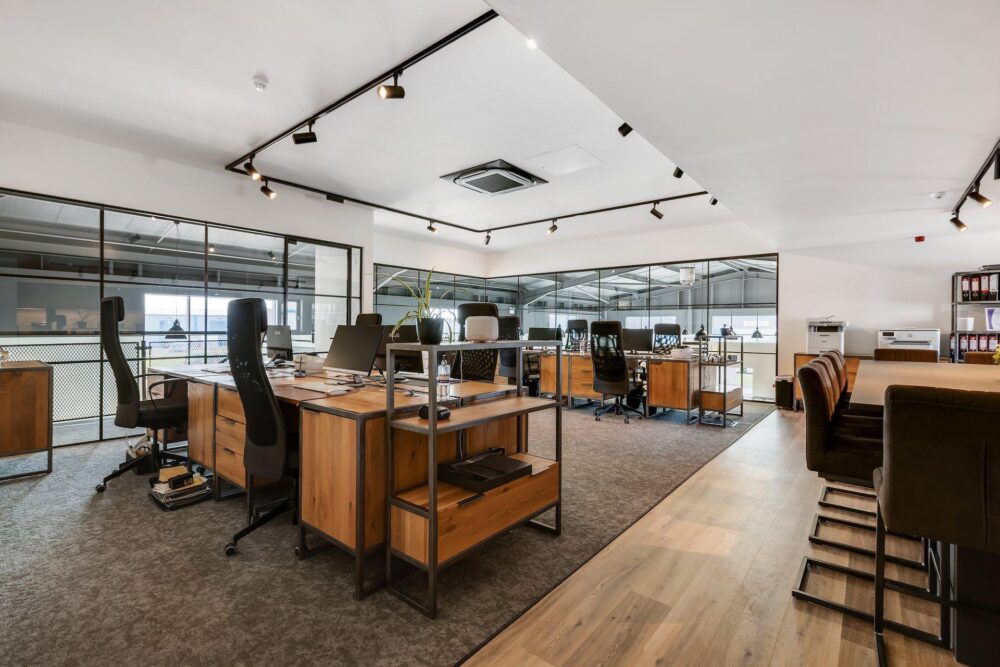
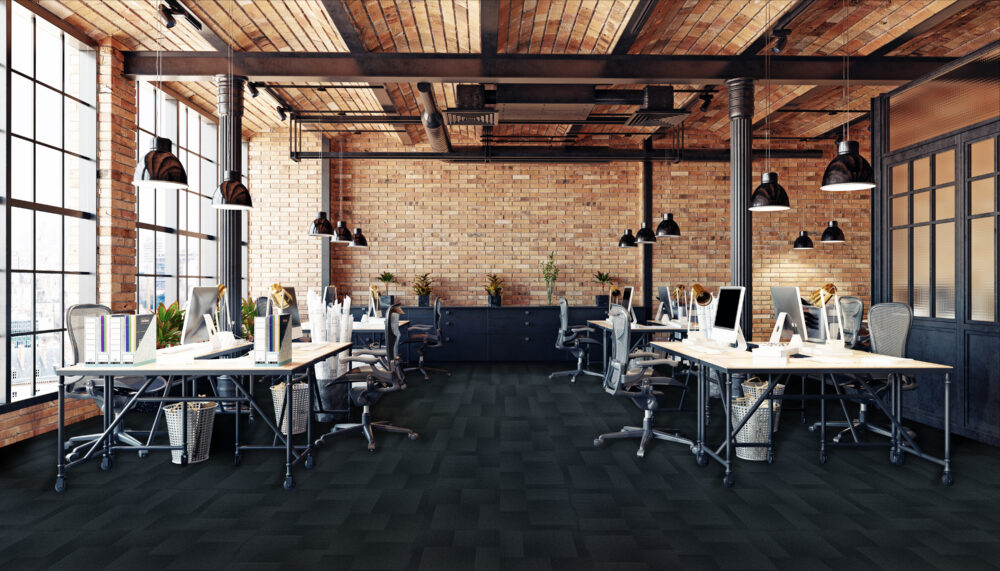
As UK offices, co-working hubs and commercial environments evolve into more flexible, sustainable and human-centred spaces, the role of flooring—and especially carpet tile design—has become more important than ever. Carpet tiles are no longer just functional surfaces; they are artistic expressions, acoustic tools, climate-friendly components, and powerful parts of brand identity. In 2025, “the floor” stepped into the spotlight. In this post we explore the top carpet tile design trends that were shaping UK workspaces last year, what’s drove them, and how organisations like Lifespace Flooring are positioned to help bring them to life.
What’s drove carpet tile design trends in 2025
Before we dive into styles and aesthetics, it’s useful to understand the forces that have pushed carpet tile design in new directions:
- Hybrid working & flexible spaces — As workplaces shift from rigid desk layouts to flexible, hybrid models, flooring needs to support adaptability: zoning, ease of changes, modularity.
- Wellbeing & acoustic performance — Noise control, comfort underfoot, thermal insulation, soft textures: people spend long hours inside; the floor has to contribute.
- Sustainability & circularity — Recycled materials, low VOC, long lifespan, ability to replace individual tiles instead of full carpets, minimal waste.
- Branding & identity — Flooring becomes a branding opportunity: pattern, colour, texture used to reinforce company values, culture or style.
- Aesthetic trends & design psychology — Colour palettes, textures and patterns shaped by “biophilia”, nostalgia, artisan craft, and desire for more comforting, human-friendly interiors.
Key carpet tile design trends for UK workspaces in 2025
Here are the major trends in carpet tile design that were seen in UK workspaces in 2025, with examples, implications, and what to watch out for:
1. Bold patterns & geometric motifs
Patterns are back, and they’re not shy. From tessellated triangles, oversized chevrons, to graphic geometric grids, UK designers are using carpet tile design to create floors that guide movement, define zones, and serve as visual focal points. (Work Design Magazine)
Implications:
- Zoning with pattern: for example, meeting or breakout areas distinguished by dramatic tile layout.
- Wayfinding: use of lines, directional patterns to subtly lead people through spaces.
- Contrast with simpler furniture, so the floor becomes an art element rather than competing visually.
Challenges:
- Matching seams, ensuring pattern alignment, and ensuring pattern doesn’t overwhelm light or small spaces.
2. Terrazzo revival & aggregate-inspired looks
Terrazzo, once confined to stone floors, is being reinterpreted in carpet tile design. Oversized chips, bold colour combinations, playful aggregate patterns are appearing. Designers want the terrazzo feel but with the softness, acoustic benefits, and comfort of carpet. (Work Design Magazine)
Implications:
- Terrazzo-style carpet tiles allow dramatic aesthetic while hiding dirt or wear (especially with mixed tones).
- Can be used to create visually interesting lobbies, cafés, reception areas.
- Pair these with minimalist furniture so the look remains balanced.
3. Natural, earthy & biophilic palettes
Muted greens, warm neutrals, earthy browns, dusty pinks, calm contemporary greens and teals: these were big in 2025. The trend is toward bringing outdoors in, softening harsh interiors with colour and texture. Carpet tile design here references flora, landscape, geology. (europeblog.milliken.com)
Also textures: flecks, irregular textures, natural fibres. Less gloss, more matte, softer finishes. (europeblog.milliken.com)
4. Sustainable materials & eco-conscious design
Sustainability isn’t optional: it’s central. Many carpet tiles brands are using recycled yarn, backing with high recycled content, carbon-neutral manufacturing, low VOC adhesives. The demand is also for long lifespan, reuse, easy replacement of individual tiles. That’s why sustainability is at the heart of everything we do here at Lifespace. We are proudly accredited by Green Mark for our sustainability efforts.
The cost of sustainable carpet tile design has come down, and organisations often see payback via reduced maintenance, longer lifespan, and better wellbeing of staff.
5. Acoustic & comfort enhancements
Offices are noisy. Open plan areas, meetings, video calls—all demand better acoustic control. Carpet tiles are being designed with cushion backings, pile height/density variations, underlay integration, and sound-absorbing cores. Comfort underfoot, thermal insulation (keeping warmth), soft texture for touch etc. are more important.
Lifespace Flooring offers carpet tiles with a range of pile heights/textures which align to this trend. Our sound installation levels are one of the best in the game.
6. Modular layouts & mixed formats
Rather than uniform tile layouts, there is a growing trend to mix tile sizes, shapes, tones or textures in a single floor plan. This can be regular grids, patchwork, or even irregular/mosaic-style layouts. The idea is flexibility and visual journey through the space. Carpet tile design is being used more like canvas. (Work Design Magazine)
Also, modularity helps with maintenance and longevity: you can replace a small section rather than the whole floor.
7. Colour contrast & accent tiles
Neutrals remain important, but strong accent colours are being used deliberately: borders, stripes, highlighting high-use zones (e.g. circulation paths), or branding elements (company colours). Think: a mostly calm floor with pops of vibrant blue, orange or green. Carpet tile design is increasingly about contrast.
8. Texture & tactility
Texture is central. Soft, boucle-like loops, flecked or irregular textures, mixes of high and low pile, textured loops, ribbed or linear texture. These add visual and tactile interest. Workspaces want materials to feel good underfoot, touchable, and human. Carpet tile design with tactile textures makes interiors feel less sterile. (europeblog.milliken.com)
9. Warm & dark tones
While light, Scandi-style and pale interiors have dominated recent years, there’s a shift toward deeper colours: warm charcoal, dark woods, moody blues, petrols, and jewel tones. These are being used especially in meeting rooms, executive offices, or spaces where more intimacy or gravitas is needed. Against light walls or with accent lighting they can look especially striking. Carpet tile design is about contrast. That’s why the Lifespace design team have carefully selected colours that fit for all commercial spaces.
10. Durability, cleanability & longevity
Workspaces demand carpets that last. High foot traffic, spills, heavy furniture, wheeled chairs—these all challenge floors. Carpet tile design in 2025 delivered:
- Durable yarns (nylon, recycled fibres, etc.)
- Cushion and backing that resist crushing and deformation
- Easy maintenance – stain resistance, cleaning protocols, ability to replace single tiles.
- Appearance retention: many expect 10-12 years, some 15-20 years in lower traffic spaces. All Lifespace tiles have a 15-year warranty for that extra piece of mind when selecting the ideal carpet tiles for your space.
How Lifespace Flooring aligns with these trends
Lifespace Flooring, is well placed to deliver on these trends:
- A broad selection of carpet tile collections that reflect current demand for texture, pattern, and earthy tones.
- Options for sustainable materials, recycled backing, etc., aligning with the eco-conscious demand.
- Ability to supply carpet tile design that supports acoustic performance, durable finishes plus service replacement of damaged tiles, as well as a capet tile take back scheme free of charge.
- Offering consultation, samples, and design support so clients can choose bold pattern layouts, mixed modular formats, or create colour accent zones.
Trend examples: How UK workspaces are using these in practice
To make these trends feel less abstract, here are examples of how they are or can be used in real UK workspaces.
- Reception / entrance areas: Terrazzo-look carpet tiles with polished or leather furniture, warm lighting. Helps make a strong first impression.
- Open-plan desks / co-working: Neutral base carpet with accent tile zones under meeting pods or quiet zones; mixed texture to demarcate areas.
- Meeting rooms / boardrooms: Darker tones, plush pile, rich texture; give an intimate feel.
- Breakout zones / cafés: More playful colour contrast, bold pattern, mixed materials.
- Quiet / focus rooms: Soft texture, lighter earthy colours, acoustic focus.
Design & specification tips for good carpet tile design
When specifying carpet tiles for workspaces, combining trend with practicality:
- Always check acoustic rating and noise reduction values. Don’t select purely aesthetic carpet tile design without considering sound performance.
- Test durability: abrasion, pile retention, stain performance.
- Use mock-ups or sample panels in real lighting. Patterned or textured carpet tile designs read differently under artificial vs natural light. Lifespace will always be happy to accommodate this by providing full-tile samples where required.
- Plan for maintenance: choose colours and patterns that conceal wear; ensure spare tiles are kept; ensure cleaning regimes are in place. Make sure your supplier has a maintenance guide for you to refer back to.
- Consider underfloor or subfloor conditions. Uneven subfloors show up more with pattern or geometric tile designs.
- Factor in sustainability: ask about recycled content, carbon footprint, whether used tiles can be reused or recycled. Check out more about our carpet tile take back scheme here.
Forecasts: what’s next in 2026
Looking just beyond, here are emerging developments in carpet tile design that may take stronger hold:
- Smart / sensor-embedded flooring: carpets that integrate sensors for temperature, occupancy, cleaning needs.
- Adaptive / changeable surfaces: interchangeable tile faces, or tiles that can shift pattern; perhaps magnetic or modular overlays.
- Stronger brand presence in your flooring: Ideal for reception areas where you want to showcase your brand, see an example of how Lifespace Flooring have achieved this with our carpet tiles below:

- Zero-waste / take-back programmes: more manufacturers offering to recycle old tiles, manufacture with cradle-to-cradle principles.
Summary
2025 shaped up to be a defining moment for carpet tile design in UK workspaces. No longer an afterthought, flooring is central: in making places that are sustainable, acoustically comfortable, visually appealing, brand-aligned, and adaptable. The major threads are pattern and geometry; sustainability; texture and tactility; natural, earthy colours; accent zones; comfort and durability. Organisations like Lifespace Flooring are already supplying collections and design services that match these trends, making them a strong choice for any business looking to stay ahead.
FAQ
Here are some frequently asked questions about carpet tile design in UK workspaces for 2025.
Q1: What is carpet tile design?
A: Carpet tile design refers to the aesthetic, functional and technical planning of carpet tiles in terms of their pattern, layout, texture, colour, pile height, backing, material etc. It combines the visual aspects (how it looks) with the performance (how it works: acoustics, durability, comfort, maintenance).
Q2: Why choose carpet tiles over broadloom or other flooring types?
A: Some key benefits:
- Modular replacement: damaged or stained tiles can be replaced individually rather than re-carpeting the entire space.
- Flexibility: easier to integrate zones, patterns, mixed layouts.
- Better acoustic and thermal performance (depending on backing/pile).
- Often more sustainable: you can choose recycled materials, low VOC, long lifespan.
- Reduced downtime for installation or changes, since small modular units are simpler to handle.
Q3: What are the most popular styles for carpet tile design in UK workspaces right now?
A: According to design and flooring industry sources, the trends include:
- Bold geometric patterns and motifs
- Terrazzo-inspired aggregates
- Earthy, natural colour palettes (greens, warm neutrals, muted tones)
- Accent colours and contrast tile zones
- Textured/tactile surfaces: loops, flecks, mixed pile
- Darker tones in certain rooms for drama.
Q4: How can I make sure a carpet tile design will be durable and maintain its appearance?
A: Key steps:
- Choose high-quality yarns and backing; check wear ratings.
- Ensure cleaning and maintenance plan is in place: frequent vacuuming, periodic deep cleaning, spot treatment.
- Pick colours and patterns that help hide soiling or wear.
- Use spare tiles for patching.
- Make sure the subfloor is properly prepared by selecting a reliable flooring contractor.
Q5: How much do sustainable materials matter, and how do I verify them?
A: Very much. UK clients increasingly expect low-carbon footprints, recycled content, recyclable or reusable tiles, low VOCs, and ethical manufacturing. Verify via:
- Certifications (e.g. Cradle to Cradle, ISO standards etc.)
- Whether tile backing is recyclable or reusable. Lifespan and maintenance also contribute to sustainability (long-lasting tiles reduce need to replace).
Q6: What are the cost implications of going with trendier carpet tile designs?
A: Having bold patterns, accent colours, mixed formats can raise design and installation complexity. More expensive yarns, cushion backings, and sustainable materials may have higher upfront cost. But over time, durability, ease of maintenance, and the ability to replace small sections rather than full carpet can lower total cost of ownership. Make sure your supplier has at least a 10-15 years warranty on the products you chose.
Q7: How far in advance should I plan and order for a carpet tile design project?
A: Because of pattern matching, custom colours or mixes, and lead times for sustainable or speciality tiles, it’s wise to plan several months in advance. Also allow for sample ordering and mock-ups, and ensure spare tiles are ordered (10%) to avoid later mismatches.
Q8: Can carpet tile design help with wellbeing and productivity in the workspace?
A: Yes. Floor colour, texture, acoustics all contribute. Quiet, warm textures reduce fatigue; calming, natural tones reduce stress; good acoustics improve communication and concentration; flooring that contributes to thermal comfort improves overall comfort.