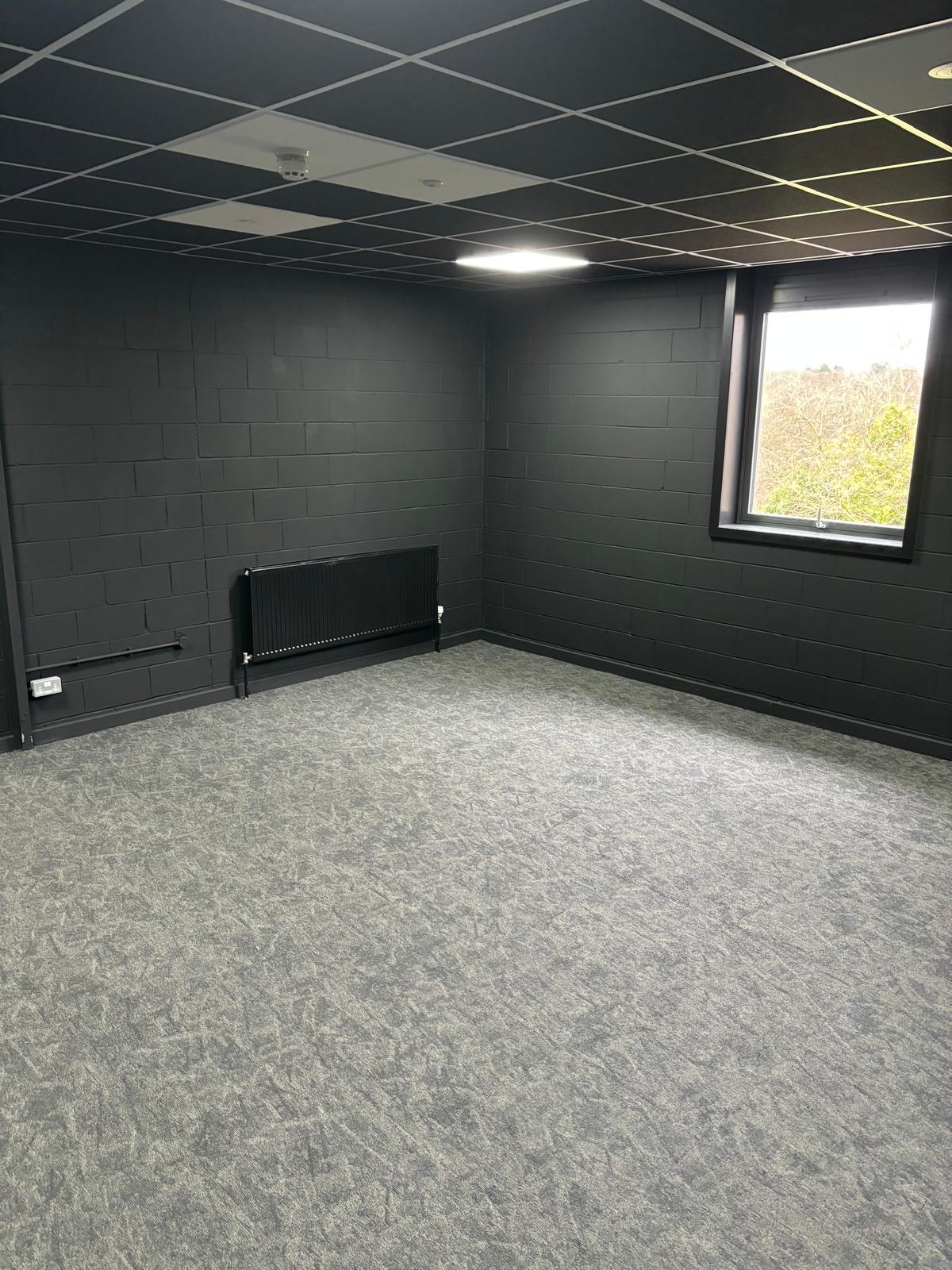
When it comes to outfitting your office space with new flooring, carpet tiles are a popular, practical, and stylish choice. They’re easy to install, maintain, and replace, making them ideal for high-traffic commercial environments. But choosing the right carpet tile — and the right contractor — requires more than just picking a colour or pattern. In this guide, we’ll break down the key considerations you should keep in mind to ensure your investment in office flooring pays off.
Why choose carpet tiles for an office?
Before we dive into selection and installation, it’s worth noting why carpet tiles are such a go-to solution for commercial spaces:
- Modular flexibility: Damaged or stained tiles can be individually replaced.
- Acoustic benefits: Helps absorb sound, creating a quieter working environment.
- Design versatility: Allows for creative patterns and zoning areas.
- Ease of maintenance: Tiles can be lifted for deep cleaning or access to underfloor wiring.
How to select the right carpet tiles
1. Material composition
Carpet tiles are typically made from nylon, polypropylene (olefin), or solution-dyed fibers.
- Nylon: Durable, resilient, and ideal for heavy foot traffic. It resists crushing and holds its appearance over time.
- Polypropylene: More budget-friendly but less durable. Suitable for low-traffic areas.
- Solution-Dyed Fibers: The pigment is added during the fiber production, meaning the color goes all the way through. This makes the tile highly resistant to fading, bleach, and stains.
Tip: Choose solution-dyed nylon tiles for long-term performance and durability in busy offices.
All Lifespace carpet tiles are made from 100% solution dyed Nylon, so are durable and ideal for heavy foot traffic whilst also adding stain and fade resistance.
2. Backing type
- Bitumen and Nonwoven Polyester (Hardback): Dense and durable, often used in heavy commercial settings.
- Cushion backing: Adds underfoot comfort and better acoustic and ergonomic performance. It also improves tile stability and reduces wear on subfloors.
Why It Matters: Cushion backing is ideal for offices where employees are on their feet frequently or where noise reduction is a priority.
Lifespace carpet tiles are made from Nonwoven Polyester and Bitumen backings, as well as our design ranges being made from 100% recycled calcium carbonate filler which is a cushion backing.
3. Pile type and height
- Loop pile: Loops of yarn are left uncut. These are durable and hide dirt well.
- Cut pile: Yarns are cut at the ends. This gives a softer feel but may show footprints and wear more quickly.
- Low pile Height: Easier to clean and better for wheeled office chairs.
Tip: Go for low-loop pile tiles for durability and easy maintenance in commercial environments.
Lifespace carpet tiles are low-loop piles which makes them durable and easier to maintain in commercial environments.
4. Tile size and shape
Standard carpet tiles come in 50cm x 50cm sizes, but planks (e.g., 25cm x 100cm) and custom shapes are also available.
Why It matters: Smaller tiles offer more design flexibility and ease of replacement. Larger planks can create sleek, modern layouts.
Whilst all Lifespace carpet tiles as standard are 50cm x 50cm, we can also offer all of our ranges in planks. Speak with one of our team today to enquire on lead times for planks and their benefits.
5. Fire and safety ratings
Ensure tiles meet local building codes and safety standards such as:
Euroclass Bfl-s1 or ASTM E648 Class I: High flame resistance.
All Lifespace carpet tiles fall within the range of BFL.
How to choose a contractor to install carpet tiles
Hiring the right installer is as important as selecting the right tile. Here’s what to look for:
1. Experience with commercial carpet tile installation
Commercial settings have different needs than residential spaces — from raised access flooring to high-traffic zones. Look for contractors with verifiable experience in office installations.
Tip: Ask for a portfolio of past projects or references.
2. Subfloor assessment
A good contractor should begin with a moisture test and surface leveling. Subfloor issues can lead to poor adhesion and premature wear.
- Relative humidity (RH) testing: Measures moisture in concrete to prevent mold and adhesive failure.
- Floor leveling: Uneven subfloors may require a self-leveling compound before tile installation.
3. Installation method
There are multiple ways to install carpet tiles:
- Peel-and-stick: Has a pre-applied adhesive; quick but not always durable.
- Glue-down: Uses pressure-sensitive adhesive for stronger, longer-lasting results.
- TacTiles or Connectors: Plastic squares that hold tiles together without glue; ideal for raised floors and minimal disruption.
Tip: For office environments, glue-down with pressure-sensitive adhesive is generally recommended.
4. Project management and timeline
The contractor should offer a clear timeline, include furniture moving if needed, and minimise disruption to your business operations. Look for teams that offer after-hours or weekend installation options.
What else should you be looking for?
- Warranty: Look for a minimum of 10 years commercial wear warranty.
Lifespace carpet tiles have a 15-year warranty to give you that extra piece of mind when selecting a supplier.
- Sustainability: Many carpet tiles are now made from recycled content and are recyclable after use.
Lifespace design ranges are made from recycled content and are recyclable after use. Our sustainability accreditation from Green Mark further evidences our commitment to the environment.
- Maintenance plan: Ask for post-installation care instructions and recommendations for professional cleaning schedules.
Lifespace maintenance plans are viewable on each product range page on our website.
FAQ: Carpet tile installation for offices
Q1: Can carpet tiles be installed over existing flooring?
Yes, but it depends on the condition and type of the existing floor. Carpet tiles should be installed on a clean, level, and stable surface. Older carpets should be removed, but hard flooring may be suitable with proper preparation.
Q2: How long does it take to install carpet tiles in an office?
Depending on the size and complexity of the project, installation can take from one day to several.
Q3: Are carpet tiles suitable for areas with rolling chairs?
Yes — just ensure you select low-pile, dense loop tiles and use chair mats where appropriate. Proper backing also ensures tiles stay in place under rolling loads.
Q4: How often should office carpet tiles be cleaned?
Vacuuming should be done daily or every other day in high-traffic areas, with deep cleaning scheduled every 3–6 months. Our carpet tile maintenance guides can be viewed on each product page.
Q5: What if one tile gets stained or damaged?
One of the biggest advantages of carpet tiles is modularity. Simply lift and replace the damaged tile — no need to redo the entire floor.
Final thoughts
Choosing the right carpet tile for your office is a balance of performance, aesthetics, and practicality. Pay attention to material, backing, safety standards, and of course, the quality of your installation team. With the right choices, your office will benefit from a floor that’s not only functional and attractive but also built to last.Email technical@lifespaceflooring.co.uk for a free carpet tile selection and contractor checklist for your installations.